




Multi-stakeholder effort to improve the sustainability of a fishery. Requirements pertaining to participation, funding, transparency, and scientific rigor.

The National Fishermen Producers Co-operative Ltd. is committed in all aspects of the organization to provide local and international seafood consumers with safe and high quality products. For this to be possible NFPC has implemented a HACCP system for product safety and quality. The system is consistent with the society’s goal for continuous improvement and customers’ satisfaction.
For the last 70 years, commercial fishing has been a major contributor to the Belizean economy. The colony of British Honduras began exporting fisheries products to the United States and neighbouring countries in Central America beginning in the early 1900s. Over the last thirty years annual exports of seafood have risen to an average of $20 million BZD and the industry has contributed on average of 3% – 5% to Belize’s GDP. Additionally, the artisanal nature of the sector lends that fishing is of significant socioeconomic importance for a large section of the Belizean society.
The National Fishermen Cooperative Society (NFCS) Limited is the second largest fishers’ cooperative in Belize, with operations and receiving facilities in Belize City and Placencia. NFCS was registered in 1967, and as of May 25th, 2017, has a membership of 257 producing and 270 non-producing members. On February 7, 2019, NFCS successfully submitted a grant application to the Marine Conservation and Climate Adaptation Project (MCCAP) entitled: ‘’Improving the efficiency, productivity, and profitability of the National Fishermen’s Cooperative Society Limited.’’
The National Fishermen Producers’ Cooperative (NFC) is Belize’s second largest fishers’ cooperative and it comprises a total of 530 members. The NFC operates principally from Belize City but it also maintains receiving facilities in Caye Caulker, Riversdale and Placencia, to which approximately 150 non-members sell their products. The members of the NFC or its fishers own the cooperative and they elect a managing committee. This managing committee serves as the Board of Directors (BoD) of the NFC.

Impacts to the cooperatives and international markets
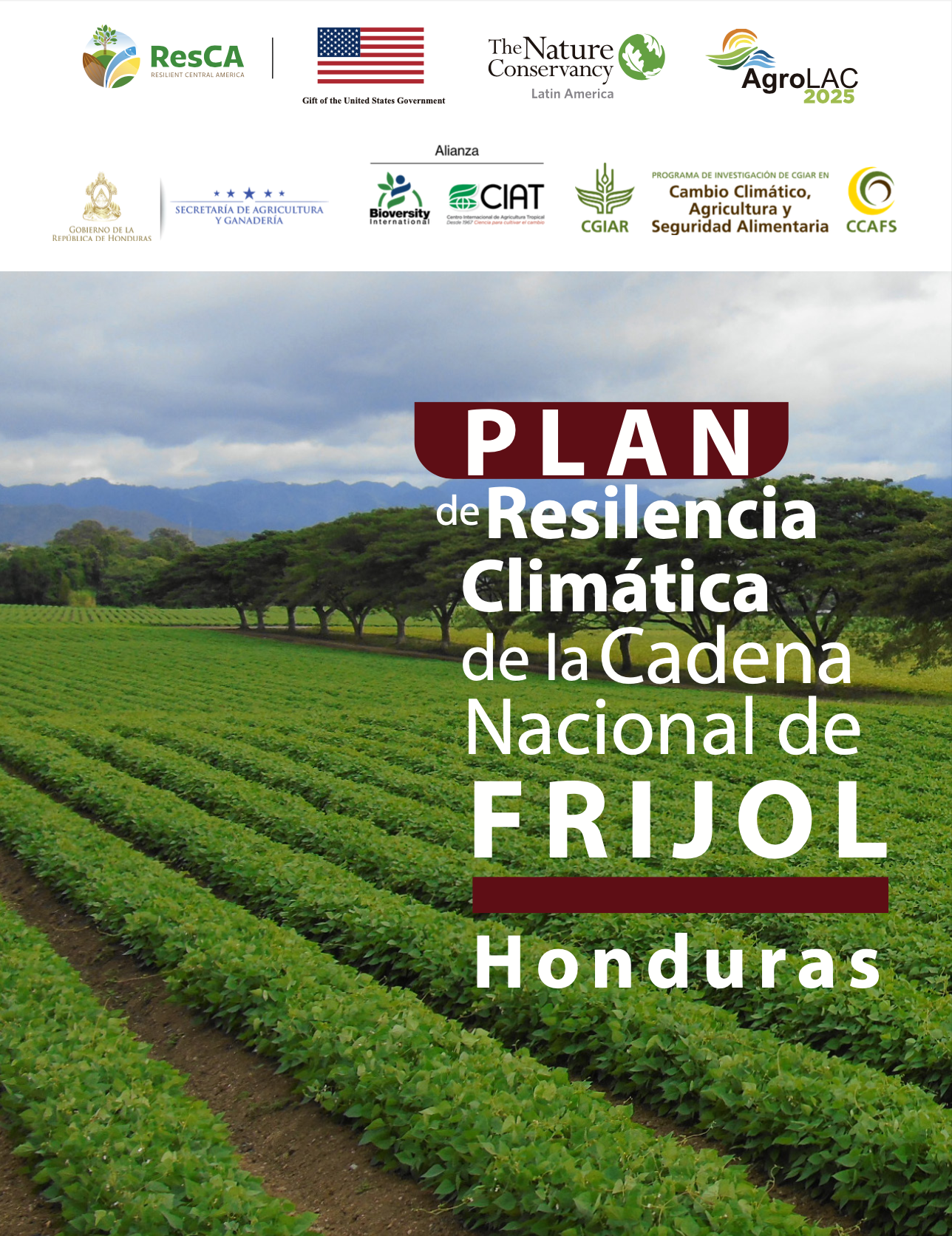
El rubro frijol representa uno de los más importantes productos dentro de la cultura hondureña, no solo por su importancia en la seguridad alimentaria, sino tambien por la cantidad de superficie cultivada en los 231 municipios en donde se produce frijol, así como por su aporte en las economías locales y economía nacional.
Fortalecer las capacidades para la gestión del territorio a través de construir conocimientos y habilidades en individuos y organizaciones tanto gubernamentales como no gubernamentales con el fin de crear resiliencia a las amenazas planteadas por el cambio climático y un manejo sostenible del paisaje.
Fortalecimiento del proceso de construcción del Modelo de Zonificación Productiva Sostenible del Paisaje para el Altiplano Occidental de Guatemala: Construcción del Árbol de Decisiones y Ponderación de los elementos del Modelo
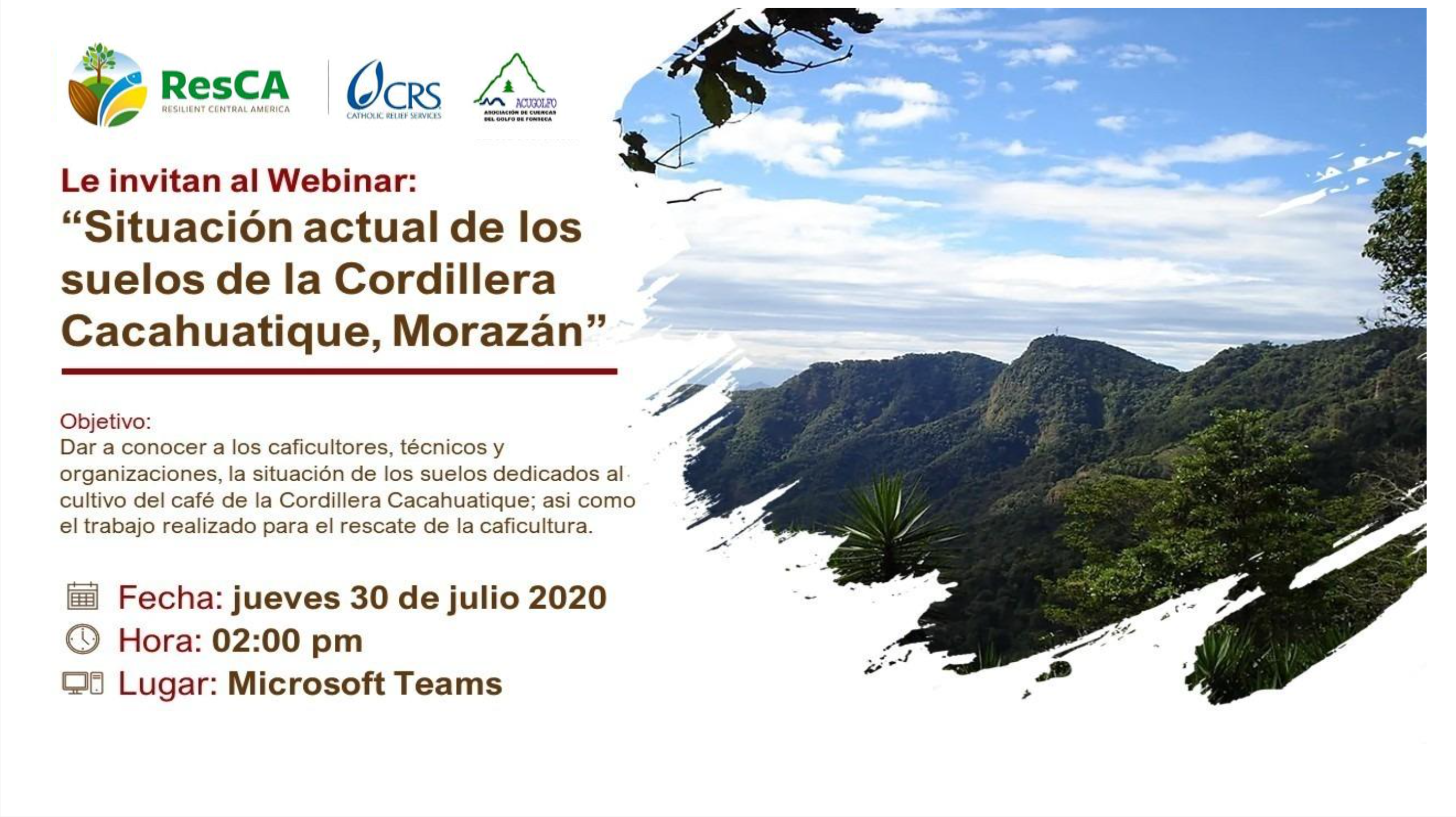
Presentar a los caficultores, técnicos y organizaciones, la situación de los suelos dedicados al cultivo del café en la cordillera Cacahuatique.
Page 2 of 17